


Preparing Your SUV for Fall Coastal Road Trips: Expert Service Insights
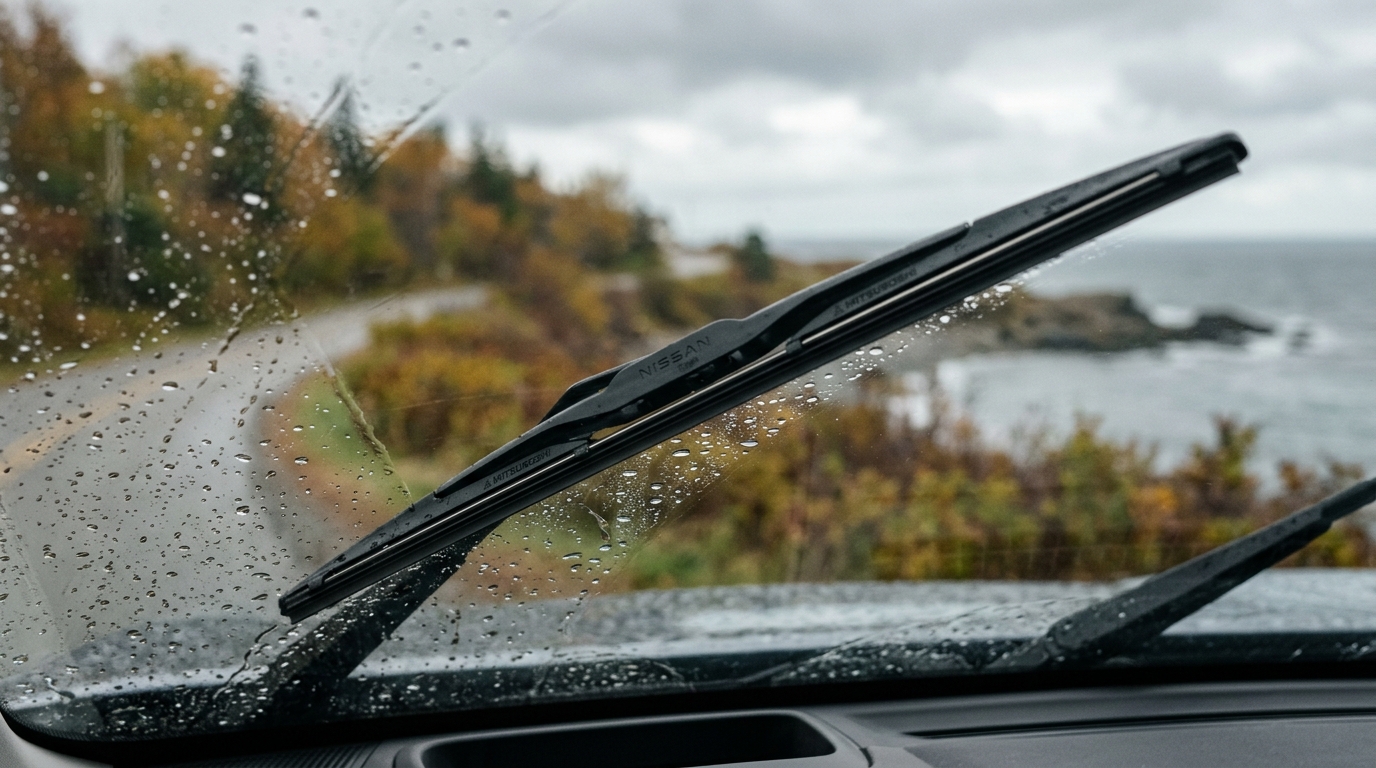
Which Windshield Wiper Blades Perform Best in Sudden Coastal Autumn Rain?
Beam-style wiper blades perform best in sudden coastal autumn rain because their frameless design applies uniform pressure across curved SUV windshields and prevents wind lift at highway speeds. Synthetic rubber or silicone beam blades resist salt air degradation and tearing far better than traditional metal-frame blades, ensuring clear visibility when heavy rain showers hit without warning.
As a Service Director at Nissan Of Orange Park with over 10 years of experience in automotive maintenance, I see firsthand how coastal weather patterns test vehicle safety systems. Drivers heading south toward St. Augustine during early autumn often encounter localized downpours that demand immediate, streak-free glass clearing. Traditional bracketed wiper blades utilize discrete pressure points that tend to flex unequally, leaving water streaks right in the driver’s line of sight. In contrast, premium beam blades feature enclosed continuous tension springs molded into the rubber casing. This aerodynamic structure hugs the glass contours evenly from end to end.
Salt spray from coastal breezes accelerates the breakdown of standard natural rubber blades, causing microscopic tearing, chatter, and squeaking within just a few months. Silicone-infused beam wiper blades deposit a light hydrophobic coating onto the glass surface as they wipe, encouraging water to bead up and roll off quickly. When you bring your crossover to our service center location on Blanding Boulevard, our technicians regularly inspect wiper arms, replace worn inserts with factory-spec beam blades, and top off washer fluid reservoirs with rain-repellent solution. If you notice skipping or streaking on your windshield, give our team a quick call to get a fresh set installed before your next highway drive.
Table of Contents
- How Do You Check Tire Pressure for SUV Highway Driving and Autumn Temperature Drops?
- What Are the Key Signs That SUV Tires Need Balancing and Rotation Before a Road Trip?
- How Does Using a Roof Cargo Carrier Impact SUV Fuel Economy on Long Trips?
- What Basic DIY Checks Should Drivers Perform Before Departing Neptune Beach for Weekend Getaways?
- Which SUV Maintenance Items Are Worth Checking for Warm, Wet Fall Weather?
- How Can Drivers Monitor Travel Route Impacts and Schedule Certified Nissan Service?
How Do You Check Tire Pressure for SUV Highway Driving and Autumn Temperature Drops?
Check tire pressure first thing in the morning when tires are cold using a digital tire pressure gauge, referencing the recommended PSI on the driver-side door jamb placard rather than the maximum pressure listed on the tire sidewall. SUV tire pressure drops roughly 1 PSI for every 10-degree Fahrenheit drop in ambient air temperature, so adjusting pressures cold prevents dangerous under-inflation on long highway drives.
Florida autumns bring subtle temperature shifts, but even a slight drop from summer highs causes air inside your tires to contract. When an SUV runs on under-inflated tires at highway speeds, increased sidewall flexing generates excess heat, accelerates shoulder tread wear, and decreases fuel efficiency. For crossover vehicles like the 2026 Nissan Rogue, maintaining proper cold inflation—typically between 32 and 36 PSI depending on factory specifications—ensures the vehicle’s driver-assist technology and traction control systems function as designed.
Checking pressure after driving a few miles leads to inaccurate readings because friction and internal friction heat increase air pressure by 3 to 5 PSI. Always take readings after the vehicle has been parked for at least three hours. Do not forget to inspect your spare tire during this check, as an under-inflated spare offers zero help during a roadside emergency. If you prefer to have certified professionals handle tire inflation, tread depth measurements, and valve stem checks, you can easily handle scheduling a quick pre-trip inspection online with our certified team. You can also visit our dedicated parts center to pick up genuine tire pressure gauges and factory valve stem caps.
What Are the Key Signs That SUV Tires Need Balancing and Rotation Before a Road Trip?
Vibrations felt in the steering wheel or seat at highway speeds between 55 and 70 mph signal that SUV tires are out of balance, while uneven tread wear across the front or rear tires indicates an overdue tire rotation. Rotating tires every 5,000 to 7,000 miles and balancing them whenever vibrations occur extends tread life, maintains predictable traction, and protects wheel bearings from premature wear.
Front tires on front-wheel-drive crossovers take the brunt of steering friction, power transmission, and stopping force, causing front tire tread to wear significantly faster than rear tread. Left unrotated, this differential wear degrades wet-weather traction and compromises emergency braking stability. Wheel imbalance occurs when small weight variances develop across the tire and rim assembly. A steering wheel vibration usually points to front wheel imbalance, while a shimmy felt through the floorboards or seats points to rear wheel imbalance.
Our technicians perform precision dynamic balancing using specialized machines that place small counterweights onto the wheel rim, neutralizing vibrations before they cause uneven cupping or feathering along the tread blocks. During a routine rotation, we also check tread depth across all four tires using a digital gauge, ensuring tread depth remains safely above the 2/32-inch legal minimum. Taking advantage of our VIP customer benefits program allows local vehicle owners to access routine maintenance perks and car washes that keep their vehicles looking and running like new. For larger maintenance items or full tire set replacements, we also provide flexible service financing options to help drivers manage necessary road trip prep without stressing their monthly budget.
How Does Using a Roof Cargo Carrier Impact SUV Fuel Economy on Long Trips?
A roof cargo carrier increases aerodynamic drag on highway trips, which reduces an SUV’s fuel efficiency by roughly 2 to 5 miles per gallon at cruising speeds. Molded hard-shell carriers shaped with a tapered rear profile minimize air turbulence compared to soft bags or open cargo baskets, preserving better fuel economy over long highway miles.
Mounting luggage above the roofline disrupts the sleek airflow engineered into modern crossover body panels. When traveling at 65 to 70 mph, an SUV uses a substantial portion of its engine output simply pushing through ambient air resistance. Adding a large cargo box increases the frontal surface area and creates severe low-pressure turbulence behind the box. On vehicles like the 2026 Nissan Murano—which features an Xtronic CVT and a 2.0-liter engine rated for 27 mpg highway—adding a bulky roof carrier forces the powertrain to work harder, shortening your overall driving range between fuel stops.
To minimize aerodynamic drag, position hard-shell carriers flush with factory roof rails and distribute weight evenly inside the cargo box, keeping heavier items toward the center. Always respect your vehicle’s maximum roof load capacity, which includes the weight of the crossbars and the carrier itself. If maximum fuel economy on long road trips is your main priority and you do not require extra cargo volume, exploring efficient vehicle choices like new Nissan Altima inventory demonstrates how aerodynamic sedan body shapes maximize fuel efficiency on open highways.
What Basic DIY Checks Should Drivers Perform Before Departing Neptune Beach for Weekend Getaways?
Drivers should verify engine oil level, windshield washer fluid, cold tire pressure, battery terminal corrosion, and all exterior lighting before embarking on a weekend getaway. Performing these basic fluid and mechanical checks while the vehicle is parked on a flat surface catches minor issues like low coolant or loose battery cables before pulling onto the highway.
Living near coastal salt air around Neptune Beach accelerates oxidation on metal engine components and battery connections. White or bluish powder forming around 12-volt battery terminals restricts electrical current flow, which can lead to slow engine cranking or unexpected starting failure. Cleaning terminal posts with a wire brush and baking soda solution removes build-up, ensuring strong contact for your ignition system.
Checking engine oil requires pulling the dipstick on a cold engine, wiping it clean, reinserting it completely, and verifying that the oil level sits between the upper and lower indicator marks. Check coolant levels visually through the translucent expansion tank, making sure the liquid rests between the minimum and maximum lines. Finally, walk around the SUV while a partner presses the brake pedal and turns on turn signals, hazard lights, and headlights. Replacing a burnt-out bulb before leaving home takes minutes and prevents getting pulled over during night driving.
Which SUV Maintenance Items Are Worth Checking for Warm, Wet Fall Weather?
Air conditioning system output, cabin air filters, brake pad thickness, and battery charge strength are essential maintenance items to inspect before driving in warm, wet autumn conditions. High ambient heat combined with humid rainstorms taxes the air conditioning compressor and accelerates battery corrosion, making pre-trip electrical and cooling system checks vital for passenger comfort and vehicle reliability.
Florida’s warm climate means air conditioning runs almost year-round. A cabin air filter clogged with dust, pollen, and debris reduces airflow from the dashboard vents, making it difficult to clear fogged interior glass during sudden rainstorms. Replacing the cabin air filter every 12,000 to 15,000 miles maintains cabin air quality and ensures rapid windshield defogging.
Brake inspections are equally critical during wet weather. Rain-slicked asphalt increases stopping distances, putting additional demand on brake pad friction material and calipers. Vehicles with substantial towing capacity, such as the 2026 Nissan Pathfinder equipped with a 3.5-liter V6 engine and a 6,000-pound towing capacity, require brake pads with ample thickness—at least 4 millimeters of friction material—to bring heavy loads to a safe stop. Our technicians also check brake rotors for salt-induced pitting and verify that brake fluid remains free of moisture contamination. Every pre-trip prep checklist should also include packing a basic roadside kit stocked with jumper cables, a portable tire inflator, a flashlight, a pressure gauge, bottled water, and a first-aid kit.
How Can Drivers Monitor Travel Route Impacts and Schedule Certified Nissan Service?
Drivers can monitor changing traffic, construction, and weather impacts in Florida by checking the FL511 system before departing and during travel stops. Scheduling a comprehensive pre-trip vehicle inspection at a certified service center ensures experienced technicians test the battery, evaluate brake systems, and adjust fluid levels using genuine OEM parts before long drives.
Unexpected highway delays, lane closures, and storm-related detours can quickly add extra hours to a road trip. Utilizing state transit updates via FL511 provides real-time traffic reports, travel speeds, and incident alerts, allowing you to choose alternate routes before hitting congestion. When severe autumn storms roll through coastal areas, knowing road conditions ahead of time helps you avoid flooded low-lying streets and standing water.
Before setting out on a long trip, bringing your SUV to a factory-authorized facility guarantees that every safety system, fluid reservoir, and mechanical component undergoes inspection by trained specialists. To book your road trip maintenance check, visit our dealership address or contact our service desk directly at (904) 467-9687. For long-term peace of mind on every drive, ask our team about the Nissan of Orange Park Premium Protect Plus package, which provides roadside assistance, tire hazard coverage, and paint protection designed to keep your vehicle reliable for years to come.
0 comment(s) so far on Preparing Your SUV for Fall Coastal Road Trips: Expert Service Insights